


Lab · Personal projects · 2026
When something doesn’t fit, why not change it?
4 apps of my own. On my computer, on my phone and on the TV.
Why do I get myself into these things...?
Some apps do a hundred things but never show you the one you need. Others make you dig through five menus for something that should be right in front of you.
It happened to me with my computer, my finances, my supermarket receipts and even my TV.
So I started making my own tools.
I bring the idea, the design and the decisions. AI helps me with the development. And the best part is that they didn’t stay as experiments: all four are part of my everyday life.
They do very different things, but they share one idea: show what matters, make it easy and strip out everything else.
01 / System intelligence · Windows
HEKA. Everything I need to know, at a glance.
I’d been using MSI Dragon Center for years and it never quite won me over. Too many menus, too many resources and not enough clarity to check what really mattered to me.
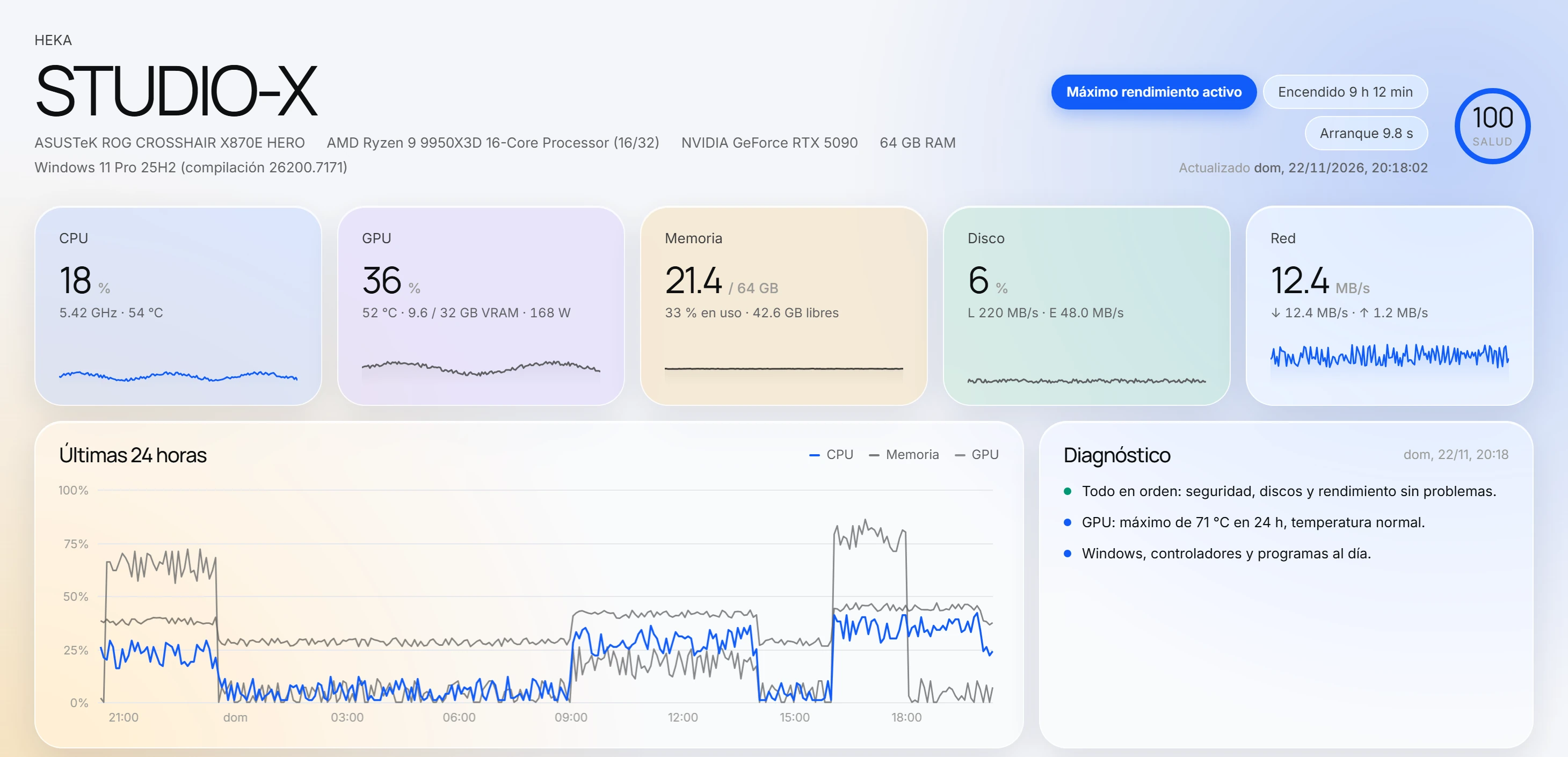
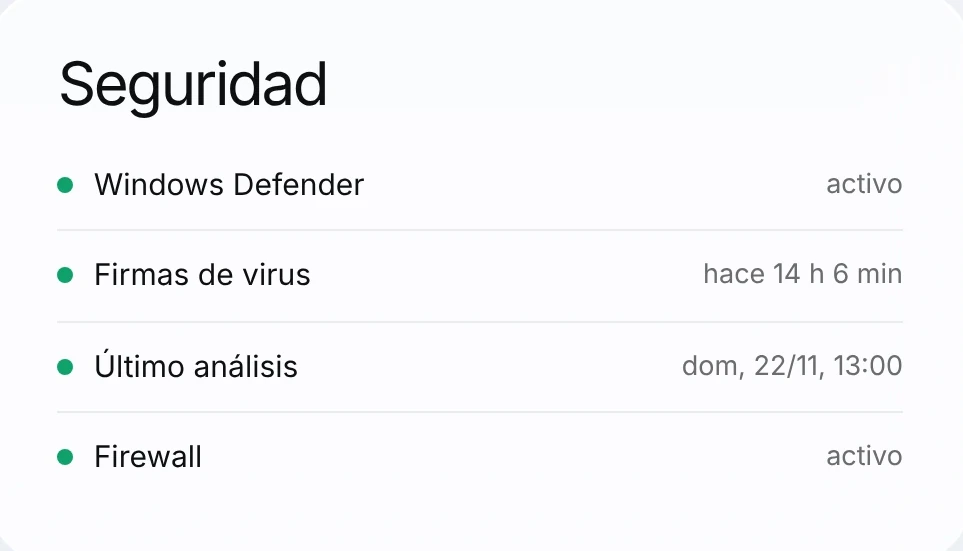
HEKA brings my PC’s performance, health and security together in one place. A full dashboard, plus a small widget next to the clock, so I don’t have to open anything when I just want a quick look.
And I wanted to find out something else: how far I could simplify it without giving up the features I use.
4.5 times less memory
71 MB versus 317 MB for Dragon Center, with both apps open on the same laptop.
0.3 MB versus 1.4 GB
A single file versus MSI’s full software installation.
13 versus 8
Complete features, out of the 20 I compared between the two tools.
Maintenance I don’t have to remember.
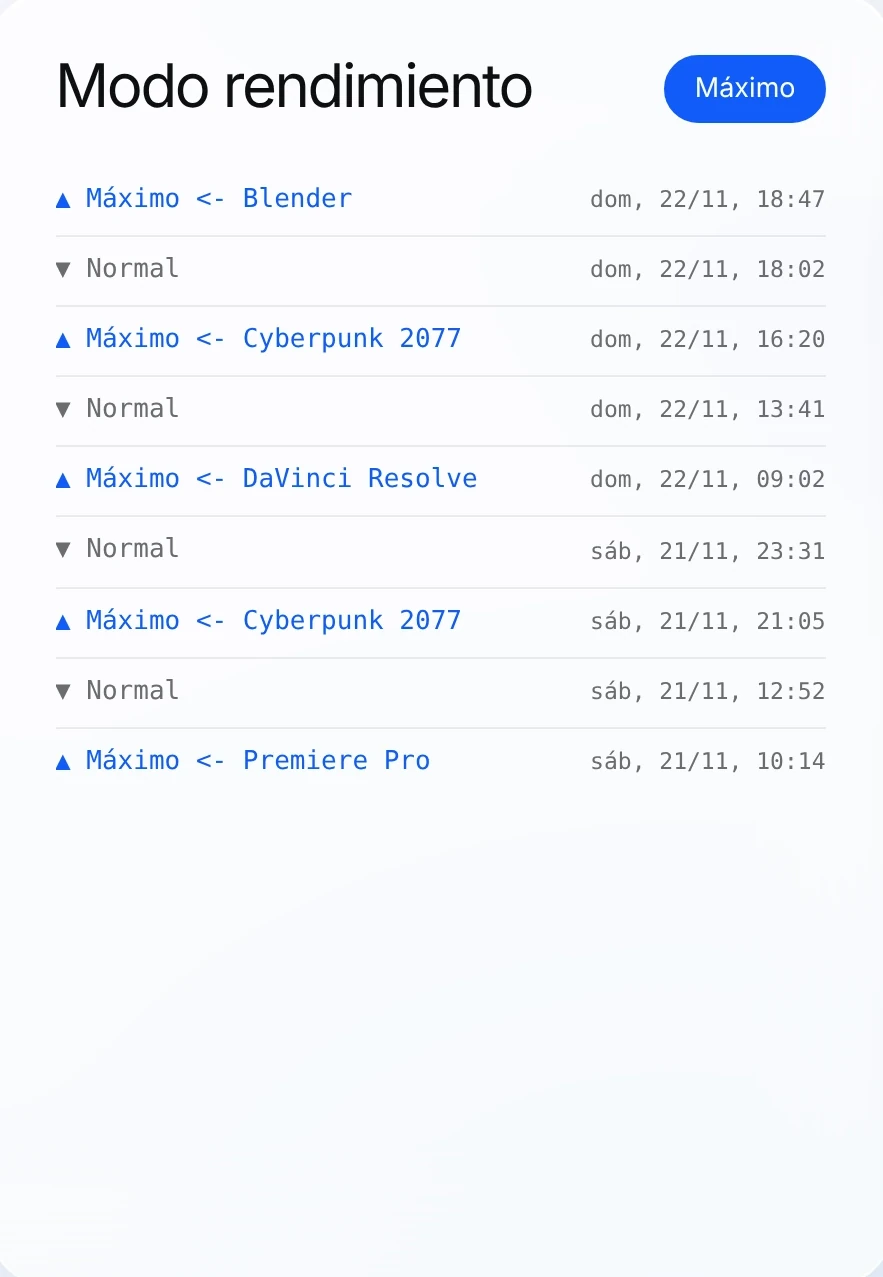
A weekly check-up of the machine and a performance mode that kicks in when I open Resolve, Blender or a game. When I’m done, everything goes back to normal.
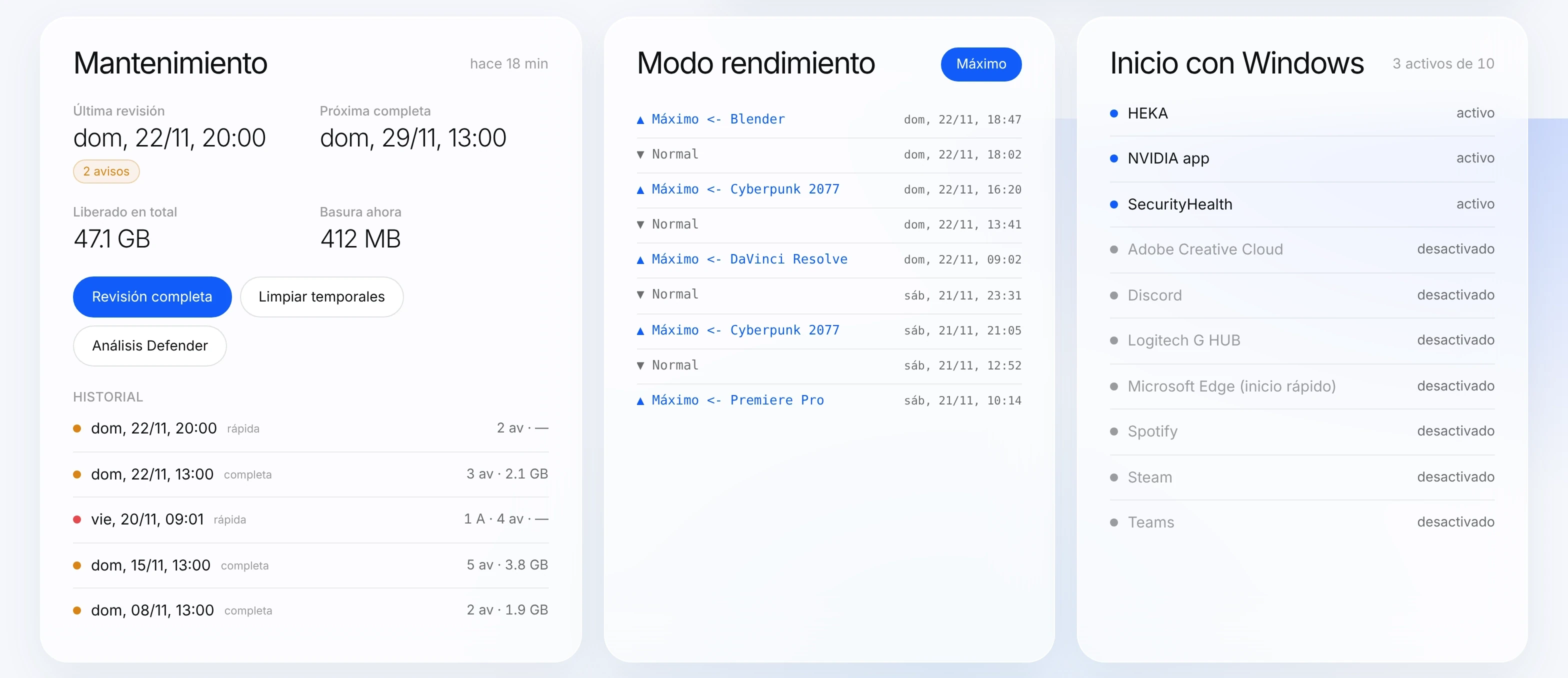
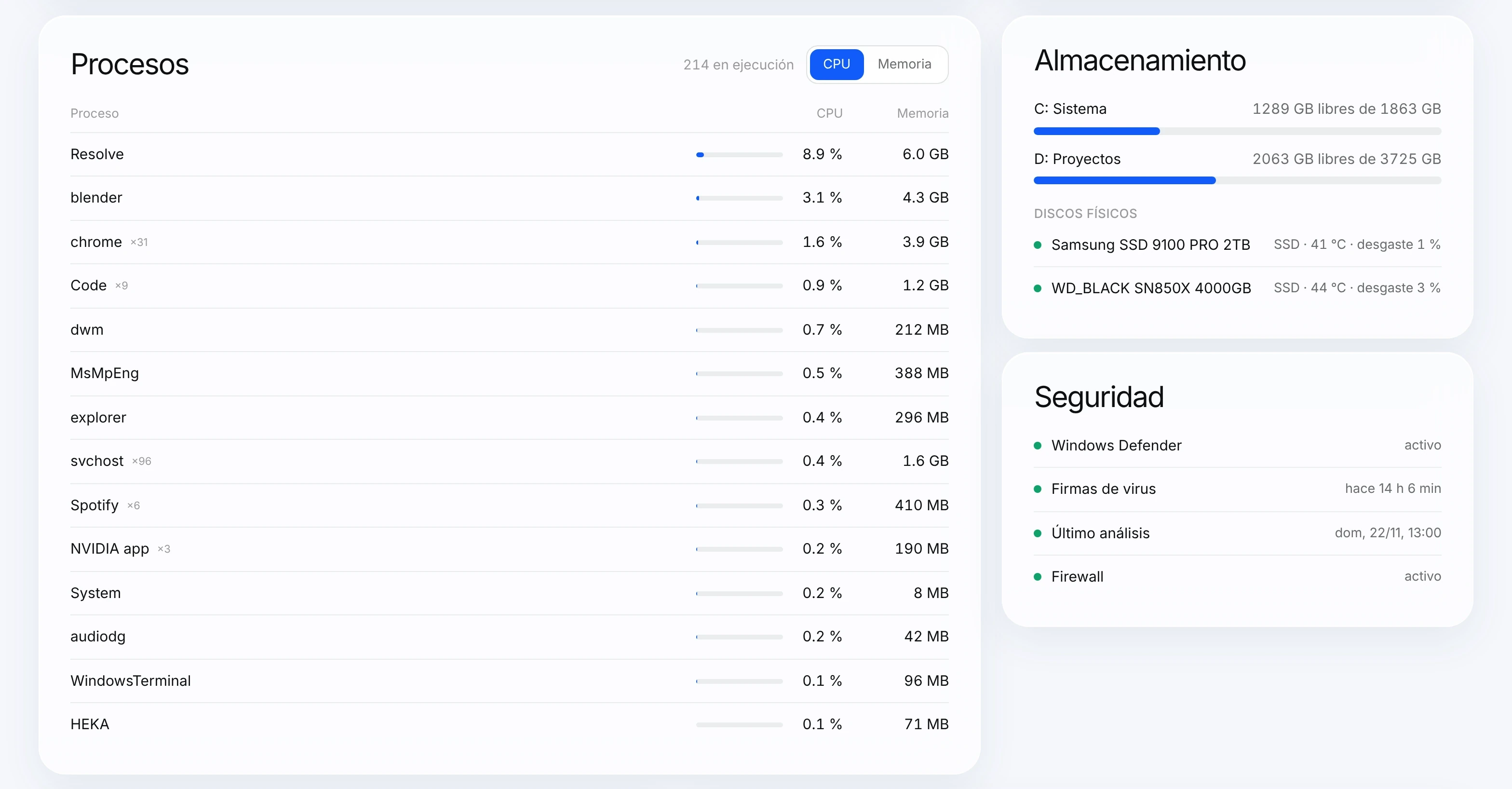
What’s going on inside the PC.
Processes, memory, storage, SSD health, security and resource usage. All together, without having to go looking for it.
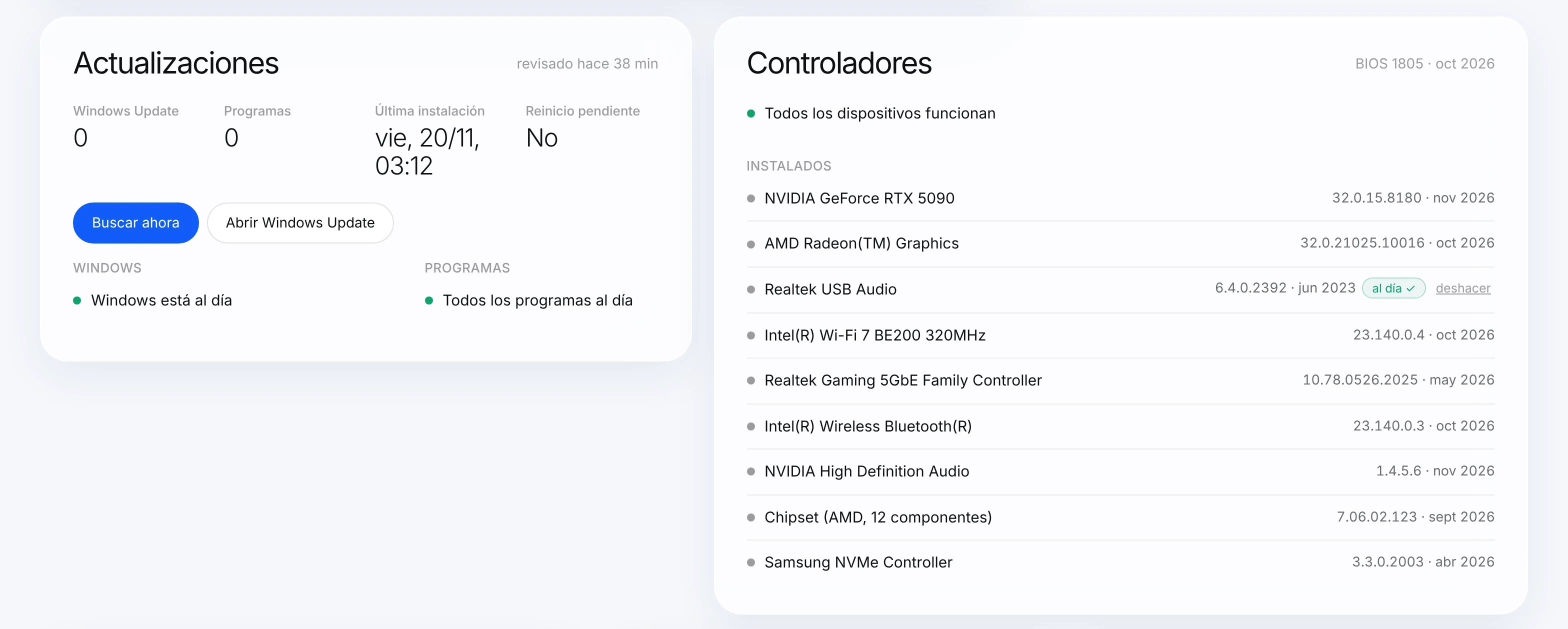
Updates without wasting time.
Windows, apps and drivers in a single view, with direct access to the official downloads.
02 / Personal finance · Web app
MAAT. Knowing your numbers matters.
Checking my bank balance is all well and good, but it doesn’t tell me how much money I really have until I get paid again.
That’s why I made MAAT.
An app that takes into account my income, my regular expenses, the payments still to come and even those insurance bills that turn up once a year and always seem to catch you off guard.
The idea is simple: open it and know how I’m doing, how much room I have and what I can afford, without doing the maths.
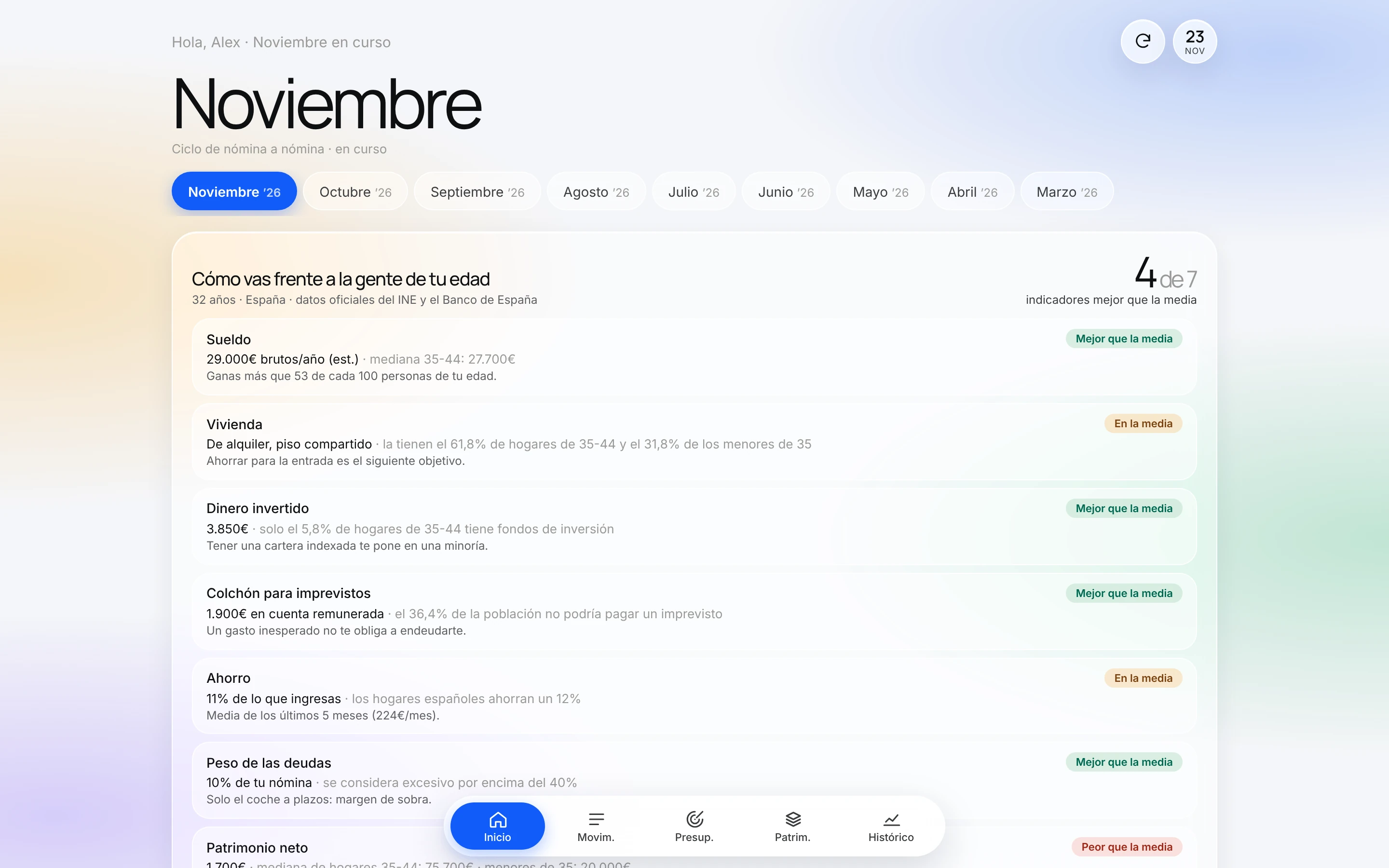
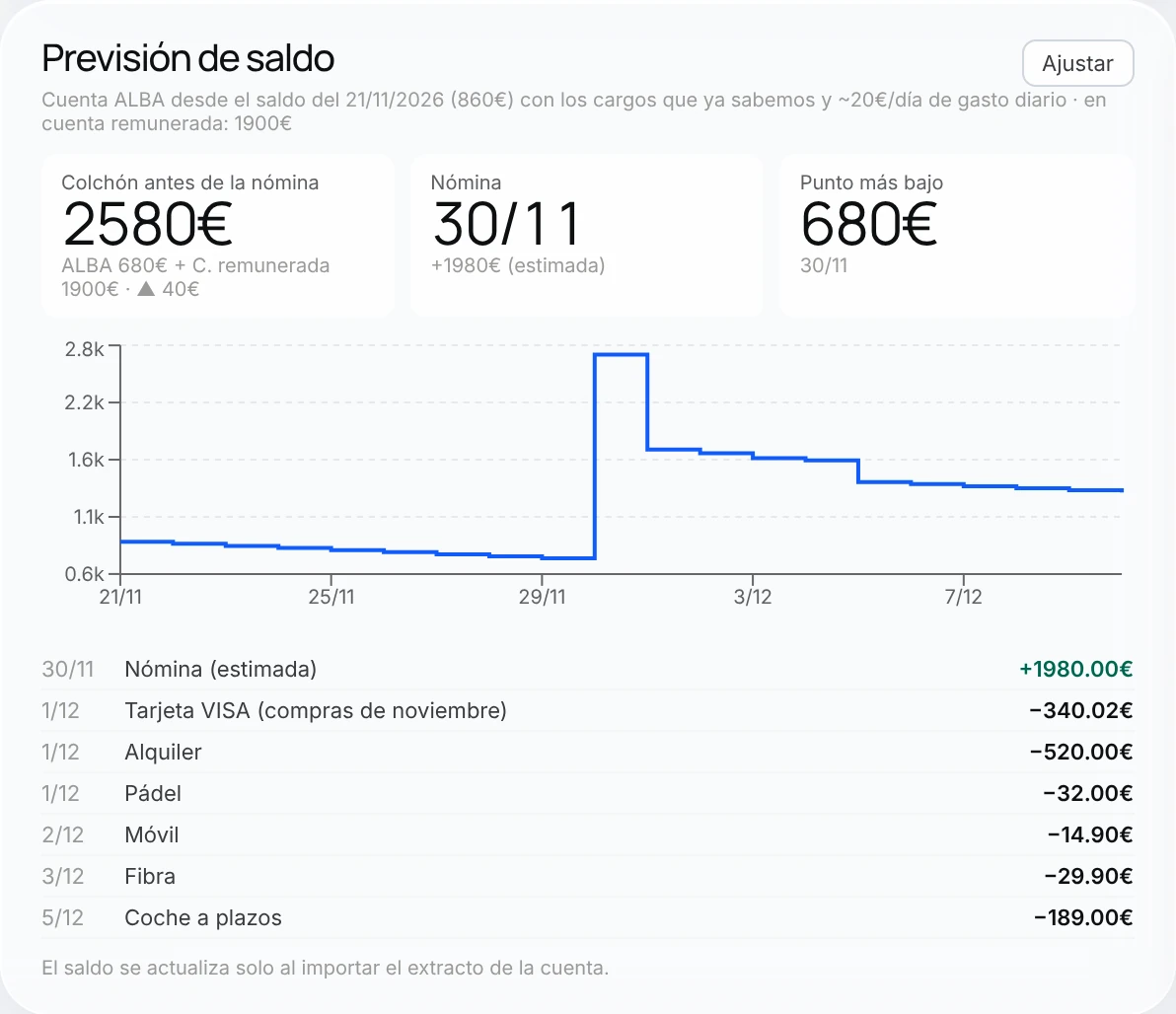
How much I have left until payday.
A day-by-day balance forecast that factors in the payments still to come.
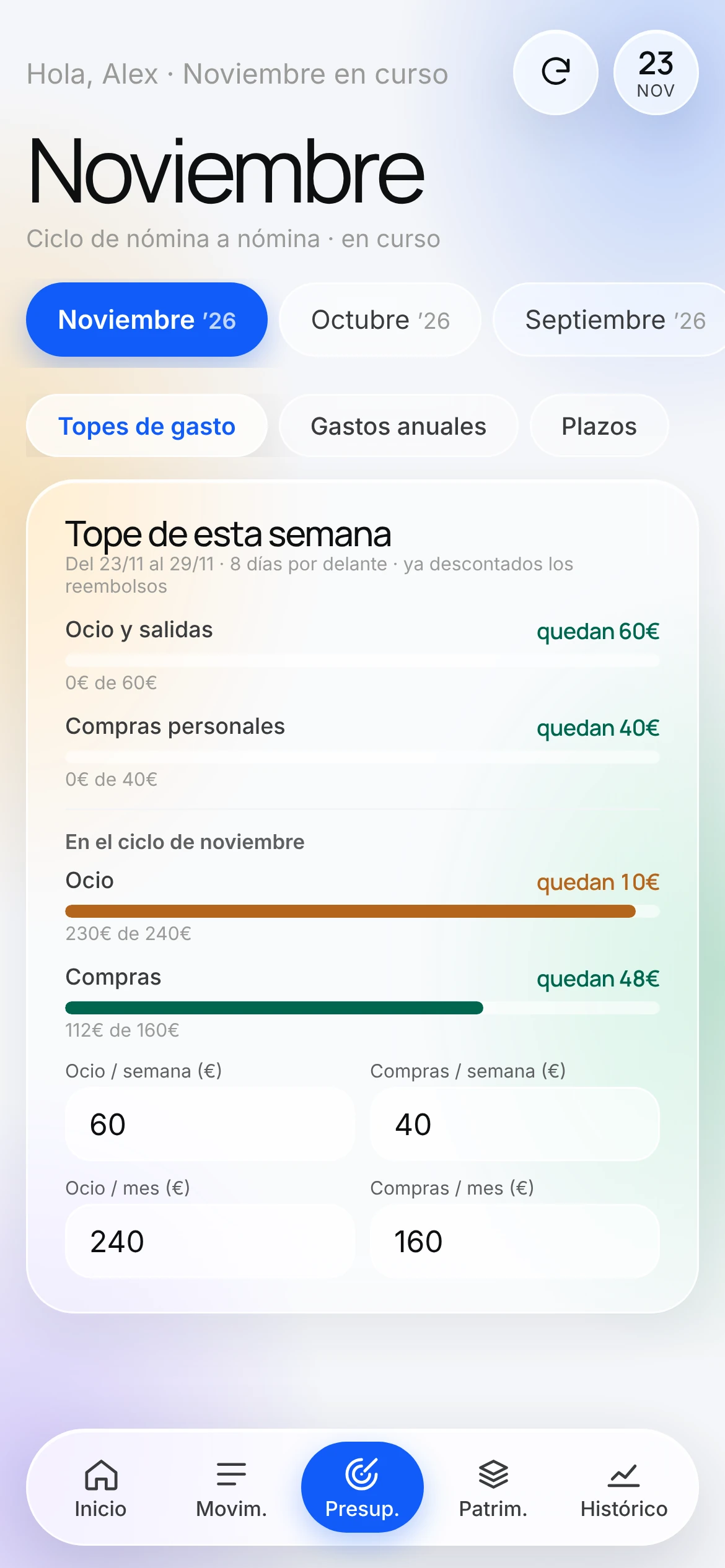
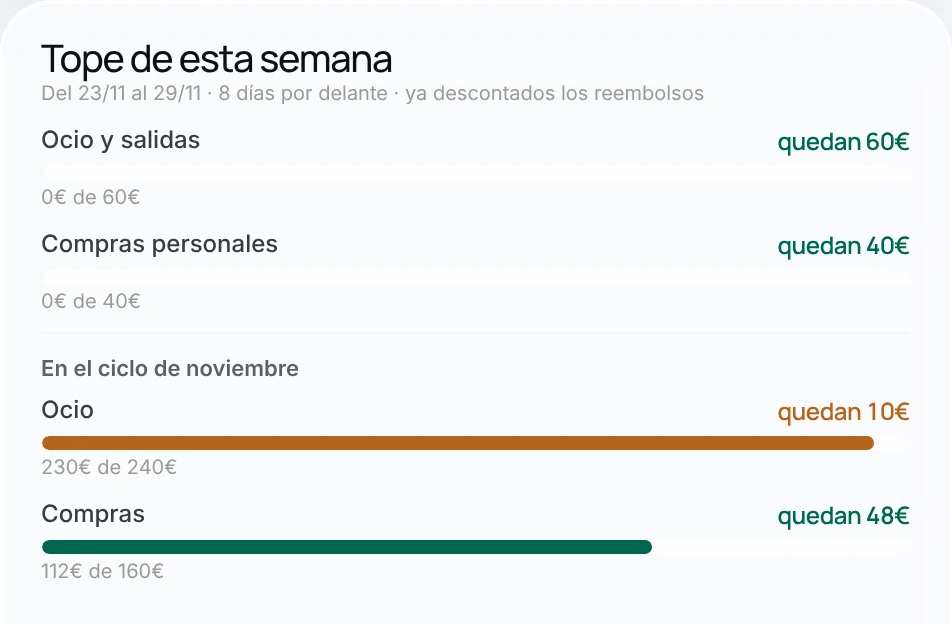
Whether I’m overspending this week.
Limits for going out, shopping and other expenses. It also counts the money my friends pay me back when we split a bill.
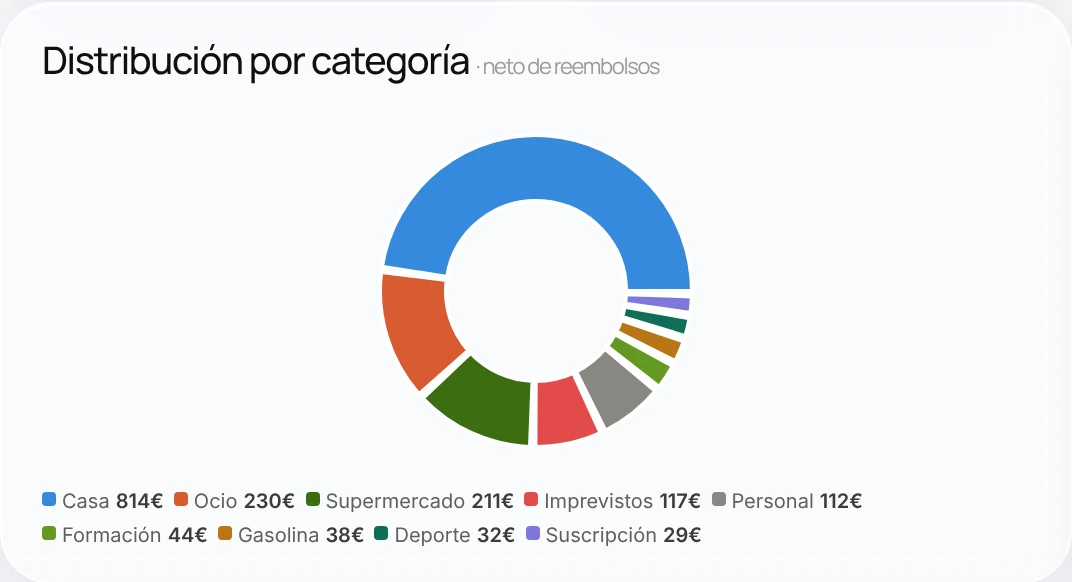
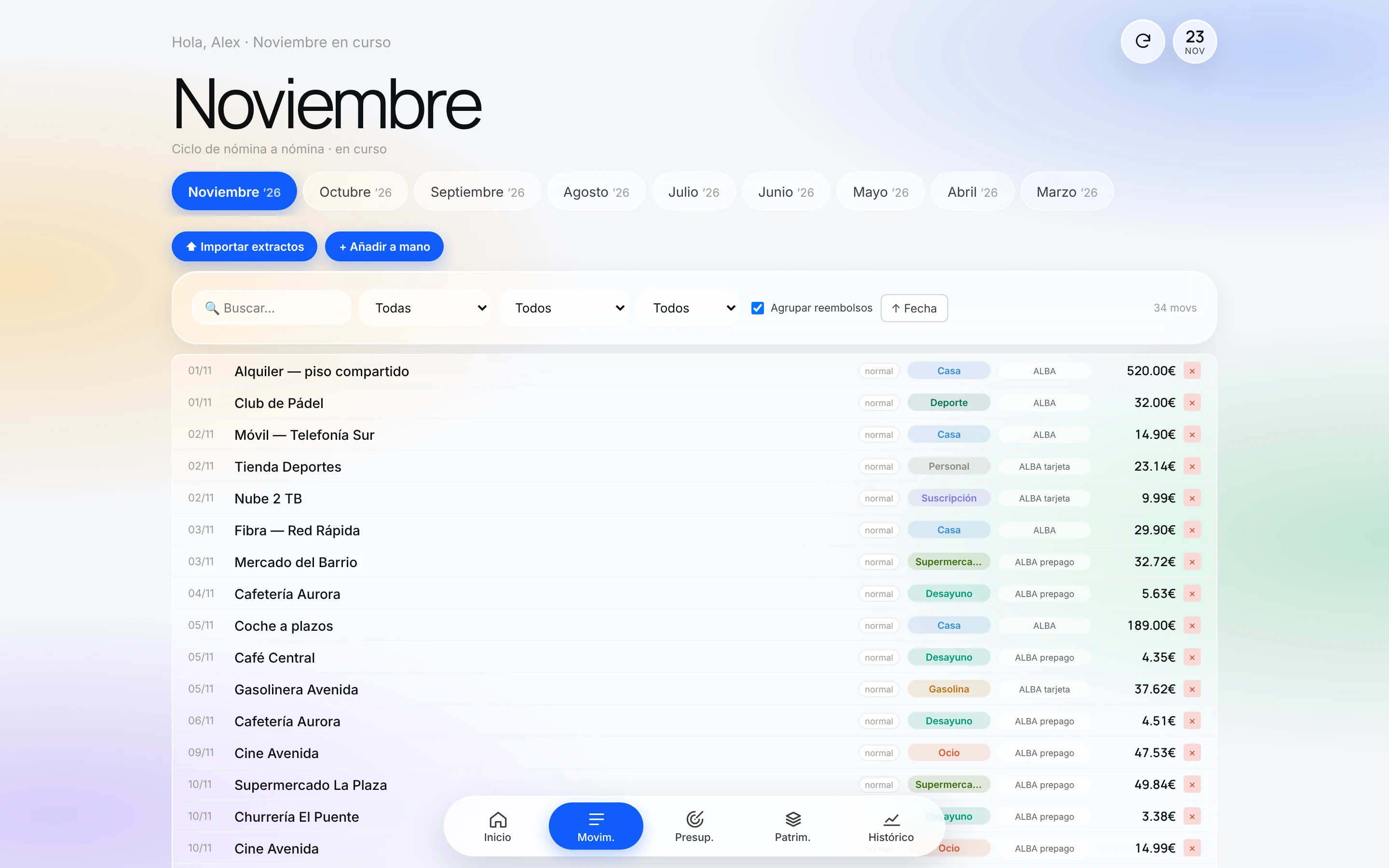
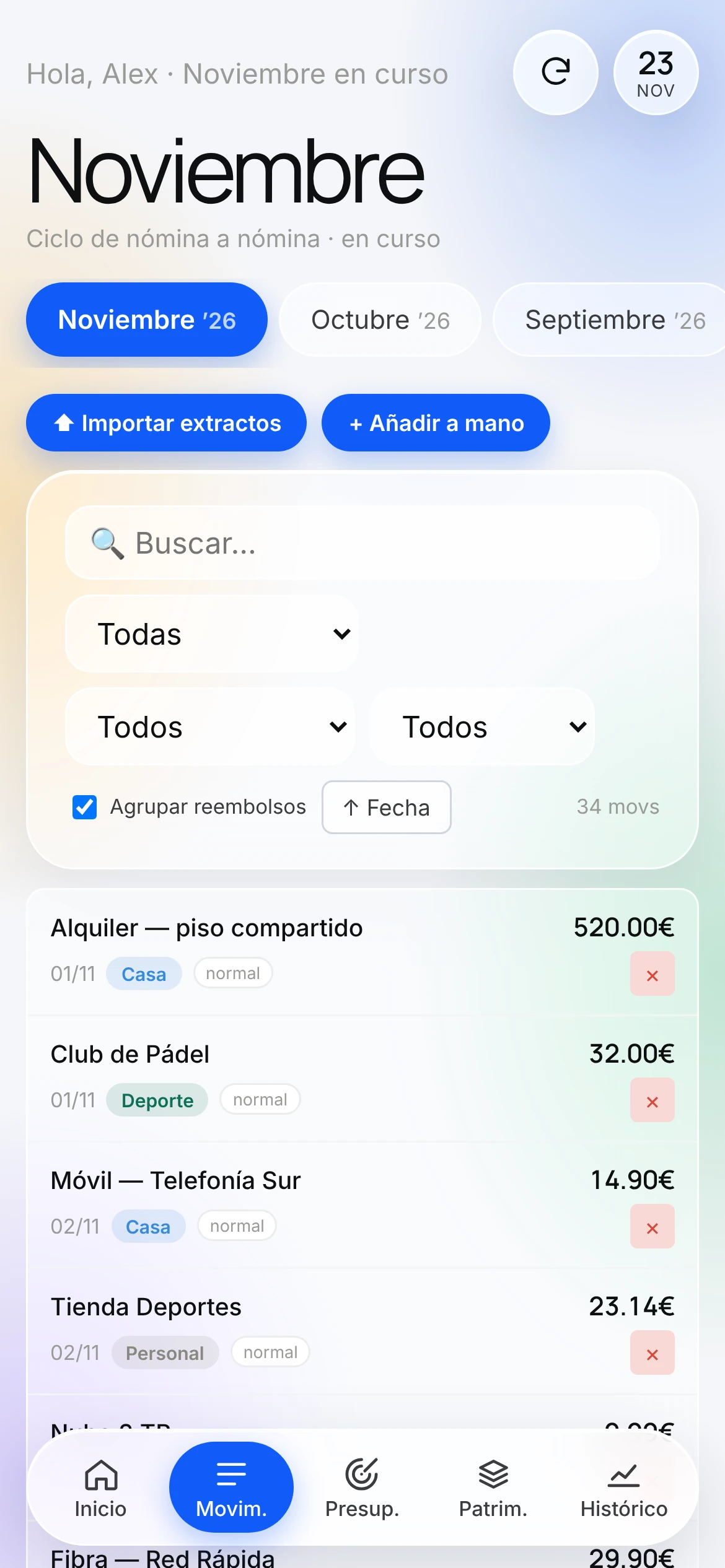
Where my money goes.
I import my bank statement and MAAT sorts every transaction by category and account.
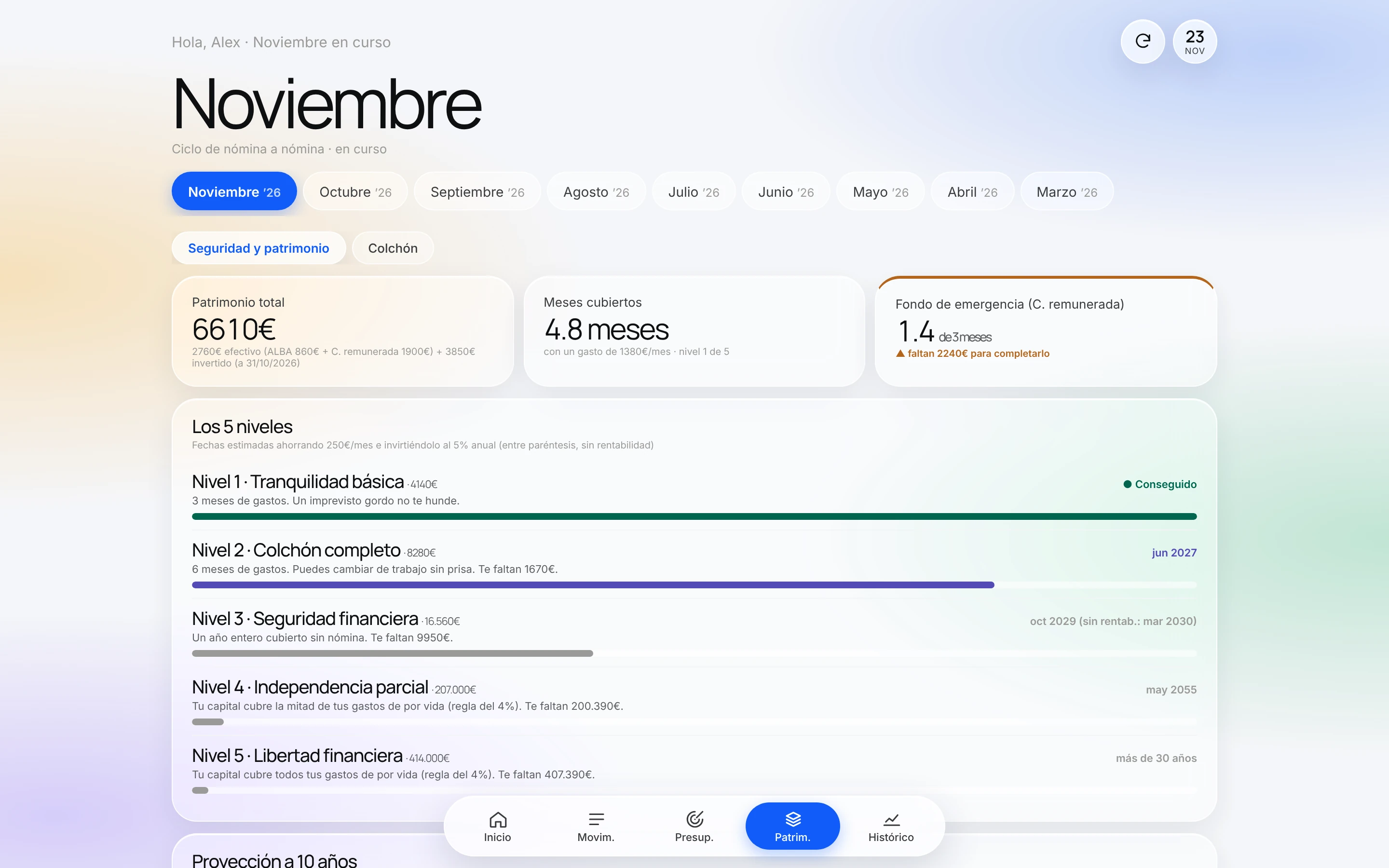
What I’m building in the long run.
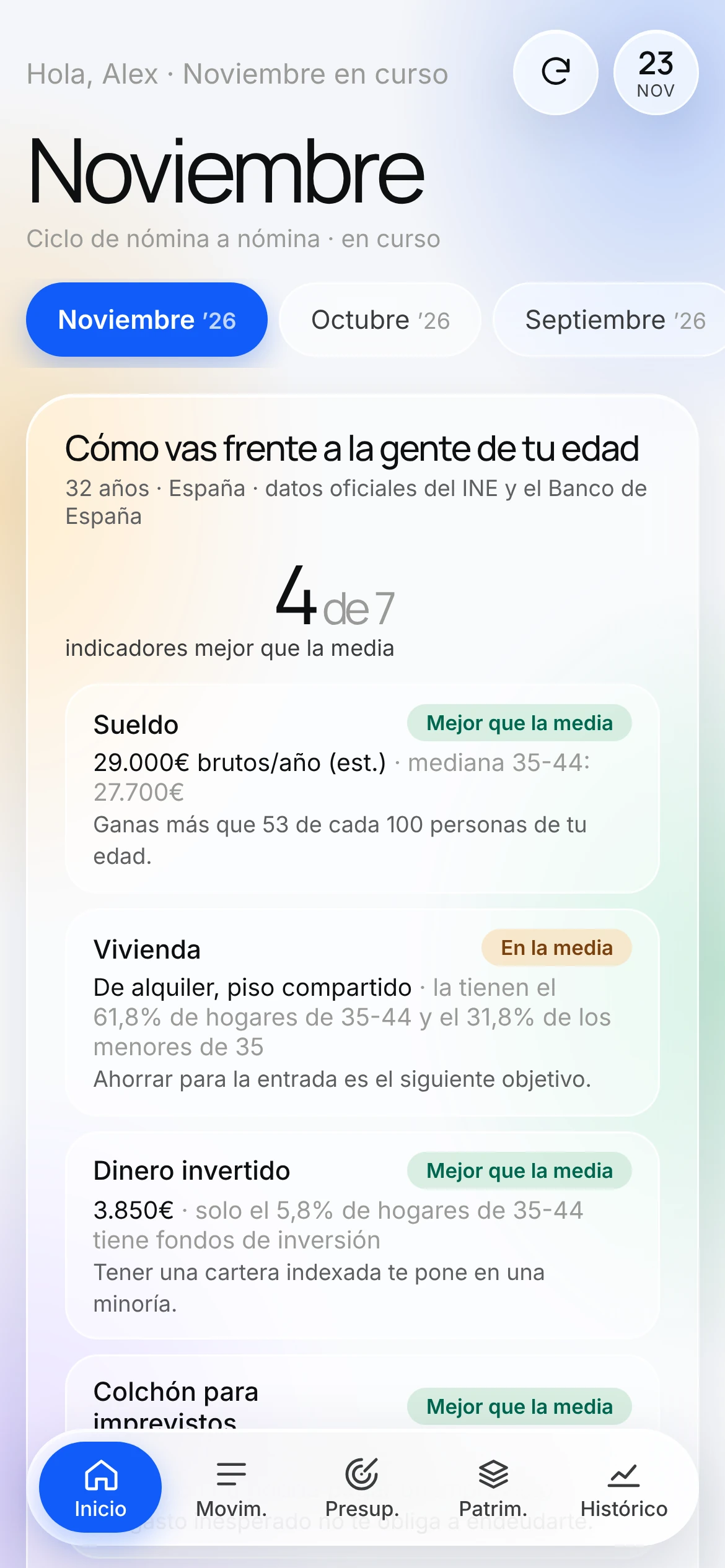
My net worth, how it’s evolving and five financial goals, from having a safety cushion to financial freedom. With estimates of when I could reach each one and benchmarks to see where I stand.

03 / Shopping intelligence · Mobile
KAIMO. For stats lovers.
I’ve always been curious about how much I really spend on groceries. And not just the monthly total.
How much does the same shop cost at different supermarkets? What do I buy most? How often do I buy cheese, coffee or anything else? How much have prices gone up since last time?
All that information is on the receipts. It just needed putting to use.
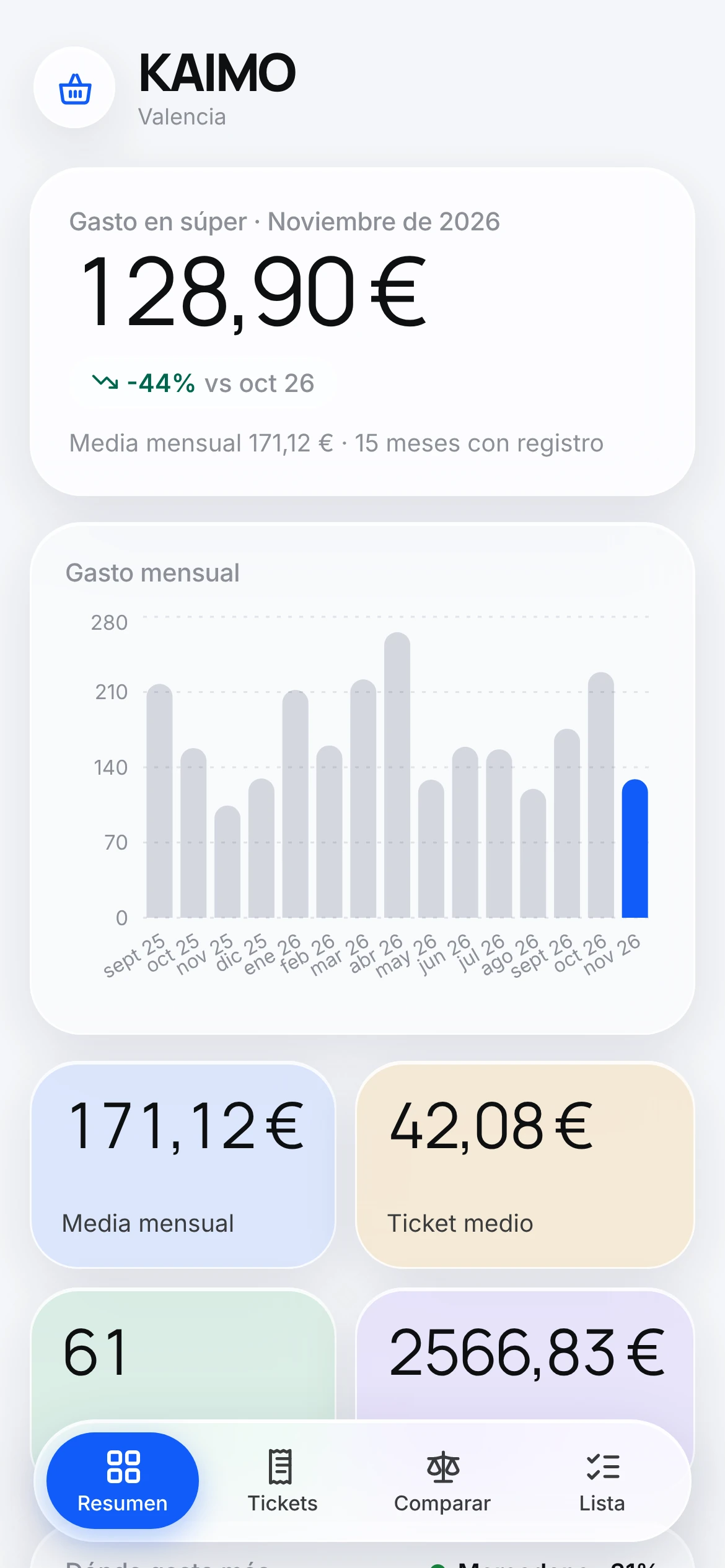
With KAIMO I upload my receipts and turn every shop into a history I can look back on and compare.
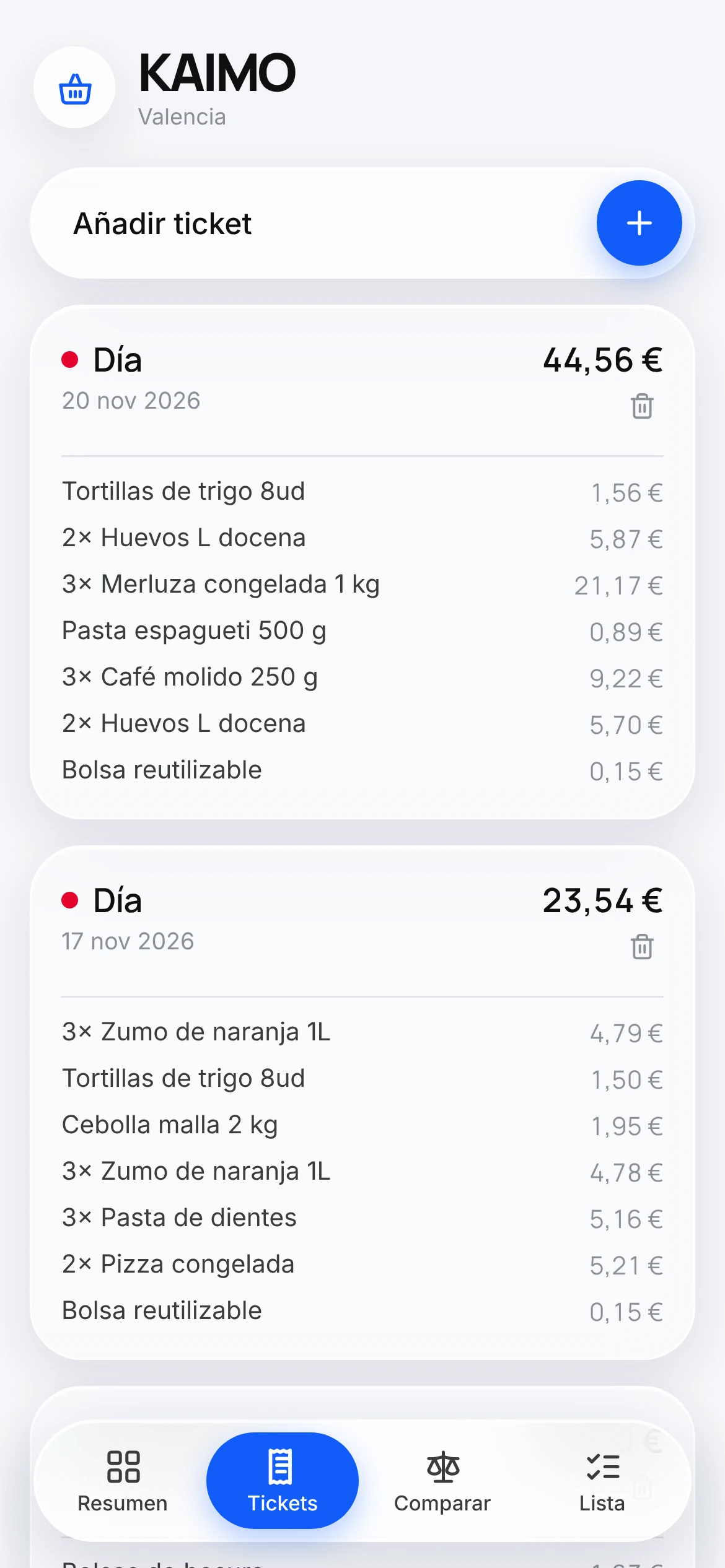
What I spend, and on what.
The month’s spending, how it compares with the previous one and which products take the biggest share of the budget.
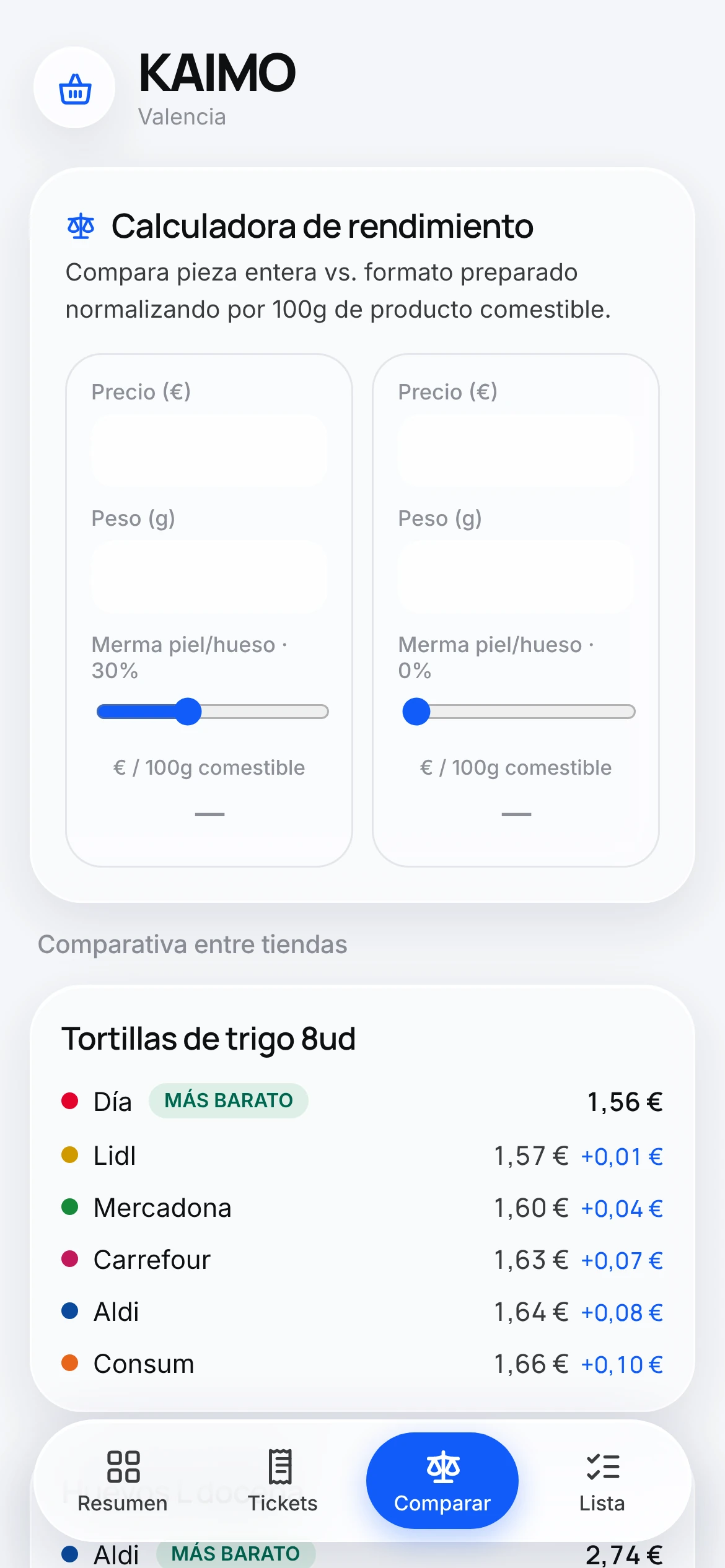
Where it’s cheaper.
I compare what I’ve paid for the same product at different chains, using the prices on my own receipts.
What I buy, and how often.
A product history to understand my habits, spot price changes and know what tends to run out first at home.
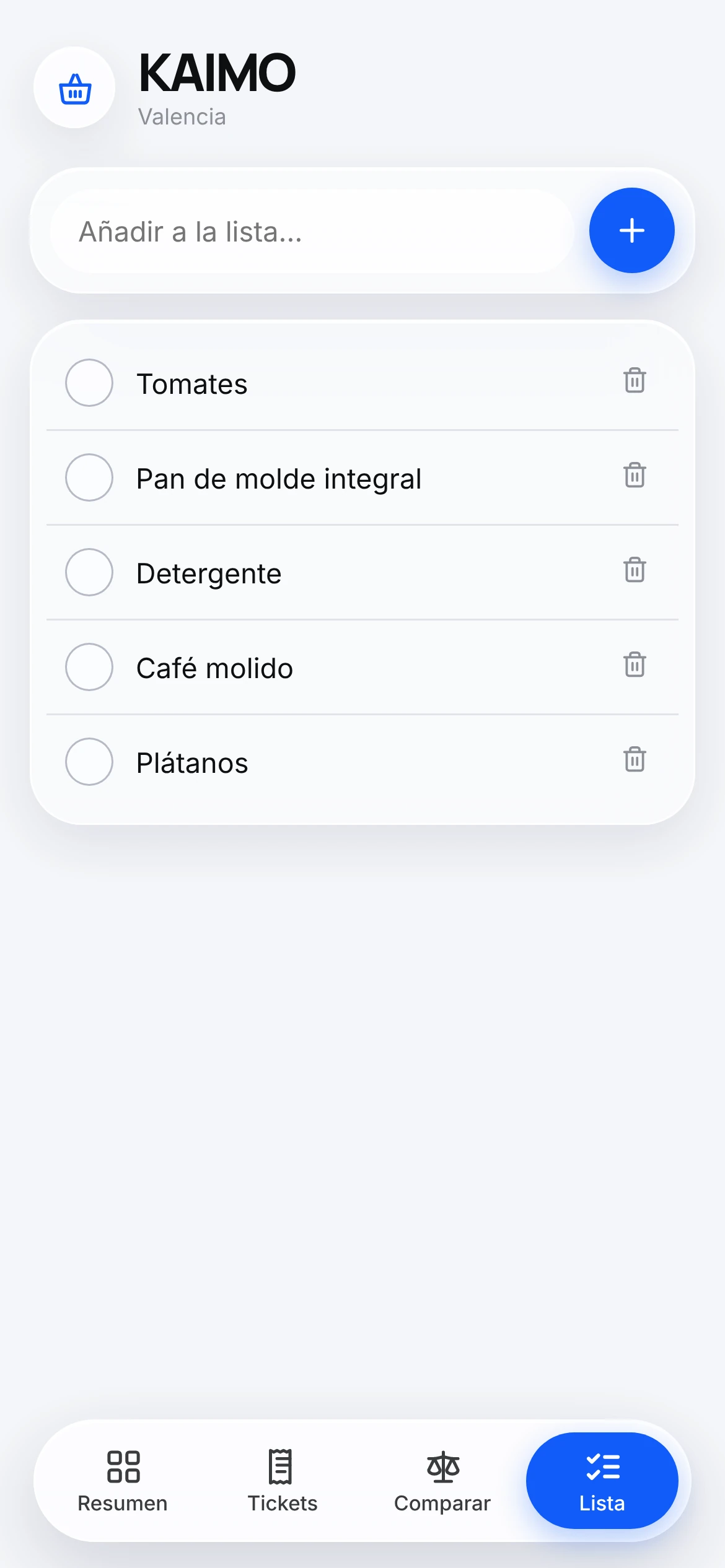
The next shop, better organised.
A list to keep what I need at hand when I go back to the supermarket.
04 / Your world · TV
HEIM. A second life for a TV that still has plenty to give.
My TV still works perfectly. What I don’t like is everything I have to get through every time I want to use it.
Menus, recommendations and apps I don’t need. Far too much for something as simple as turning on the TV and choosing what to watch.
That’s how HEIM came about: a home screen made to measure, with the things I check every day and direct access to the apps I use.
I didn’t need a new TV. I needed a new way of using the one I already have.
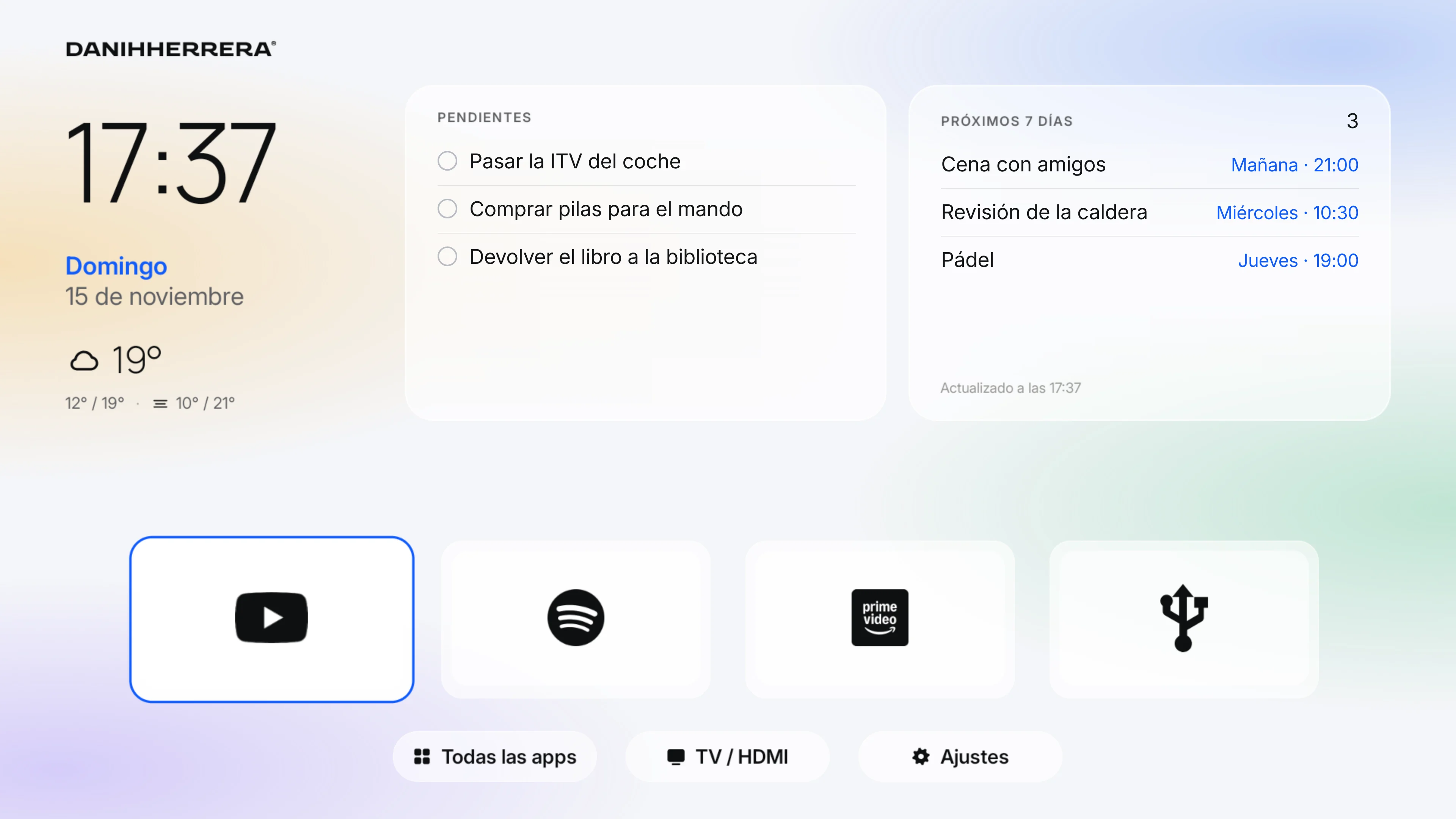
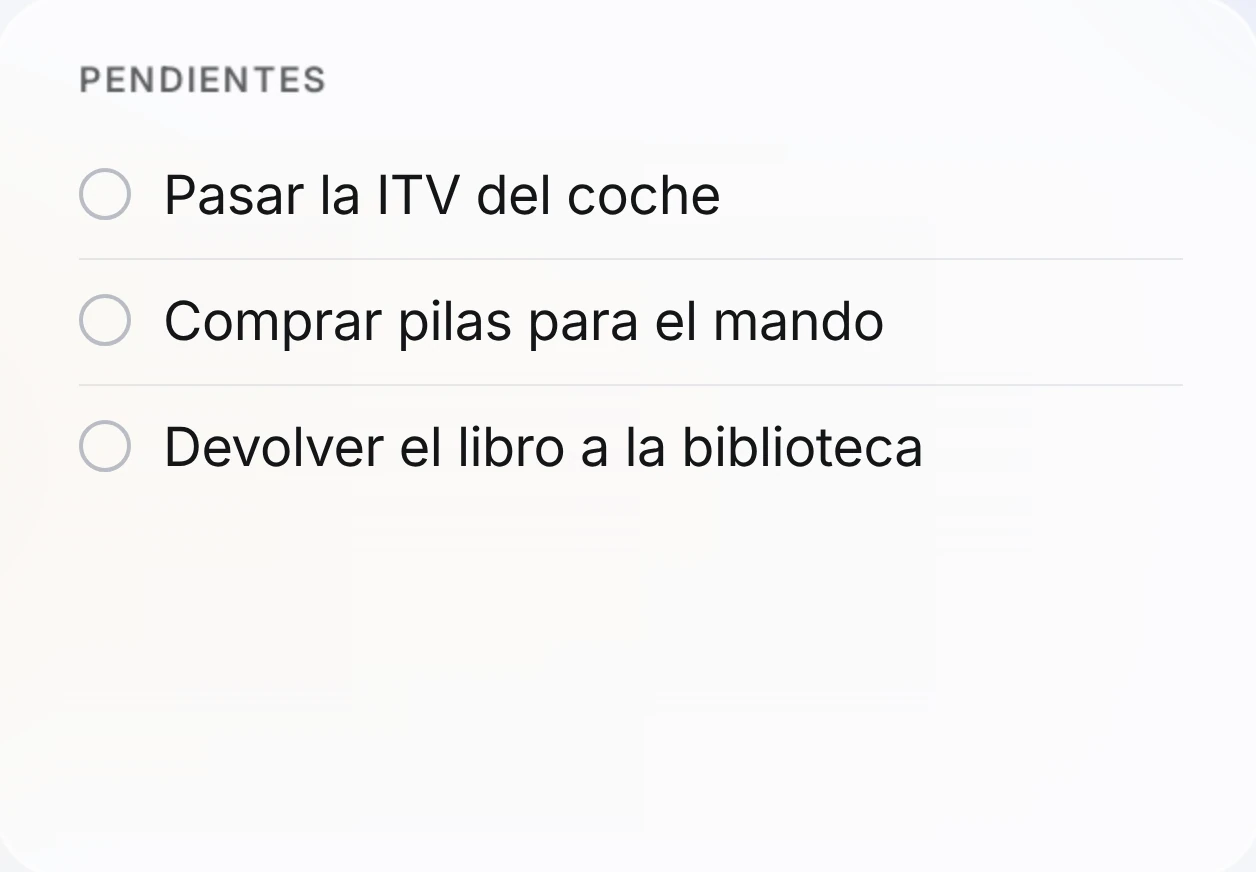
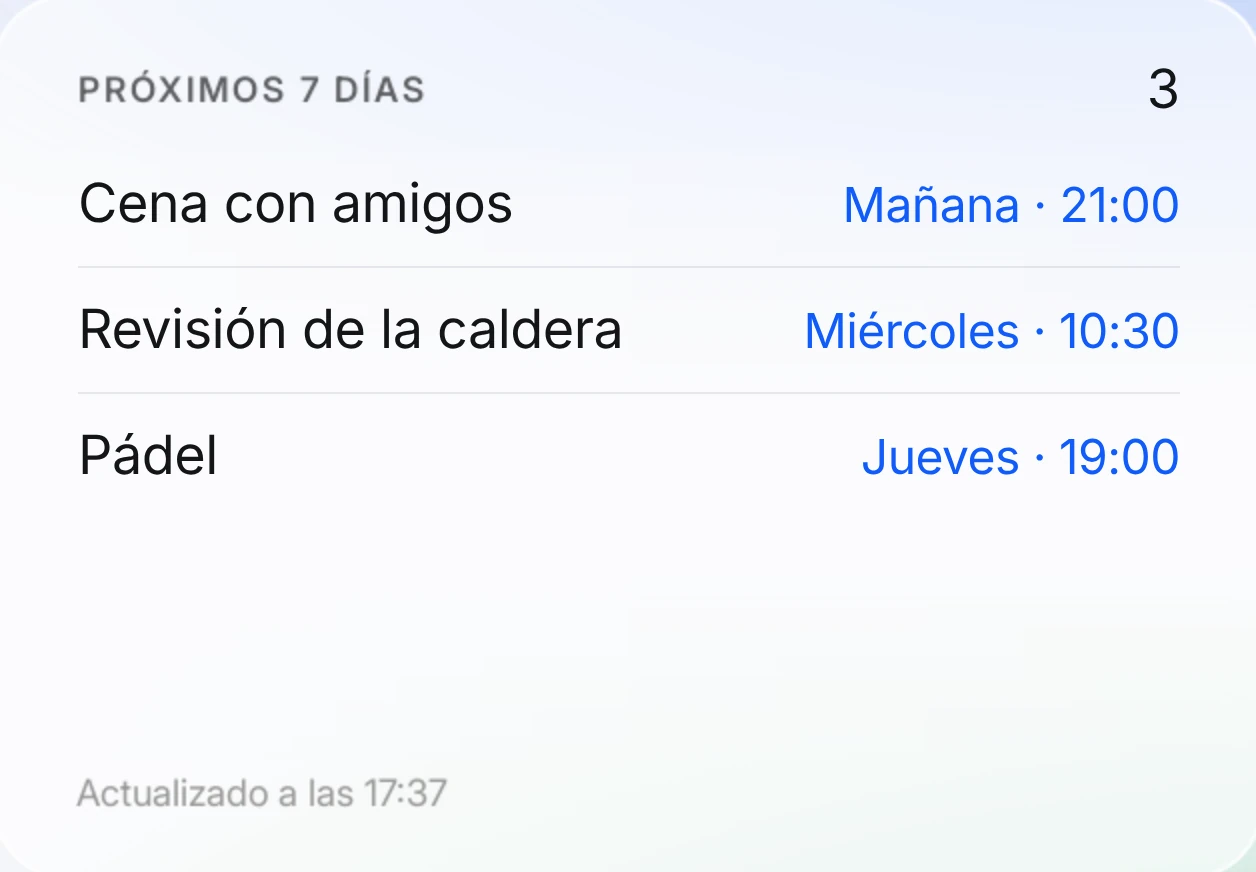
My tasks and my week.
What I have pending and the next seven days from Google Calendar, without reaching for my phone.
The weather, without opening another app.
The current temperature, plus today’s and tomorrow’s highs and lows.
My apps, one button away.
YouTube, Spotify, Prime Video or whatever’s on a USB stick. All from the remote, skipping the usual menus.
Open to new projects
What if the tool you need doesn’t exist yet?
I like finding simpler ways of doing things. Sometimes that ends up as an app like these. Other times, as a visual identity, a website, a campaign or a space.
In the end, that’s a big part of what I do: understand what’s needed, work out how to solve it and design something that makes sense.
If you’ve got a project on your hands, let’s talk.
Credits and legal notes
LAB — Dani H Herrera. Four personal projects developed in 2026.
Idea, product design, interface and direction: Dani H Herrera. Developed with the help of artificial intelligence (Claude, by Anthropic).
The screenshots use fictitious data to show the interfaces without exposing any personal information.
HEKA’s measurements were taken on 22 November 2026 on an MSI GE66 Raider 10SFS running Windows 11, compared against MSI Dragon Center 2.0.129. Memory is the combined private memory of all of each app’s processes. The feature comparison covers 20 criteria and only counts complete features.
MSI and Dragon Center are trademarks of Micro-Star International Co., Ltd. HEKA is an independent personal project, not affiliated with MSI.